
Two models can sit on the same agency board and never once compete for the same job. One spends February flying between three fashion weeks, fitting into sample-size samples, and earning prestige more reliably than money. The other shoots two e-commerce campaigns a month for a home-and-lifestyle retailer, drives home by six, and books a repeat client every quarter. Both are working models. Neither career is the consolation prize version of the other.
If you are still deciding where to point your energy, the useful question is not which branch of modeling is "better." It is which one matches your body, your temperament, and the life you actually want to live for the next five years.
What Runway Modeling Actually Demands
Runway is a technical job with a narrow brief. Designers are not casting a personality for a shampoo ad; they are casting a silhouette that will carry a specific collection down a specific catwalk under specific lighting. The walk, the line of the shoulders, the way you handle fabric, and your ability to disappear into the clothes all matter more than whether you photograph warmly.
Measurements and sample sizes
Shows use sample garments cut in one size, often with very little give. If you do not fit them, the casting usually ends in the first thirty seconds. Height expectations remain strict in traditional womenswear and menswear markets, though niche shows, emerging designers and specific cities cast outside those norms. Measurements matter here in a way they rarely do in commercial work.
A practical note: if you are being asked to change your body significantly for work, talk to a doctor or a registered dietitian rather than taking advice from a group chat. Agencies list stats, but you are the one living in the body.
Walk, stamina and backstage reality
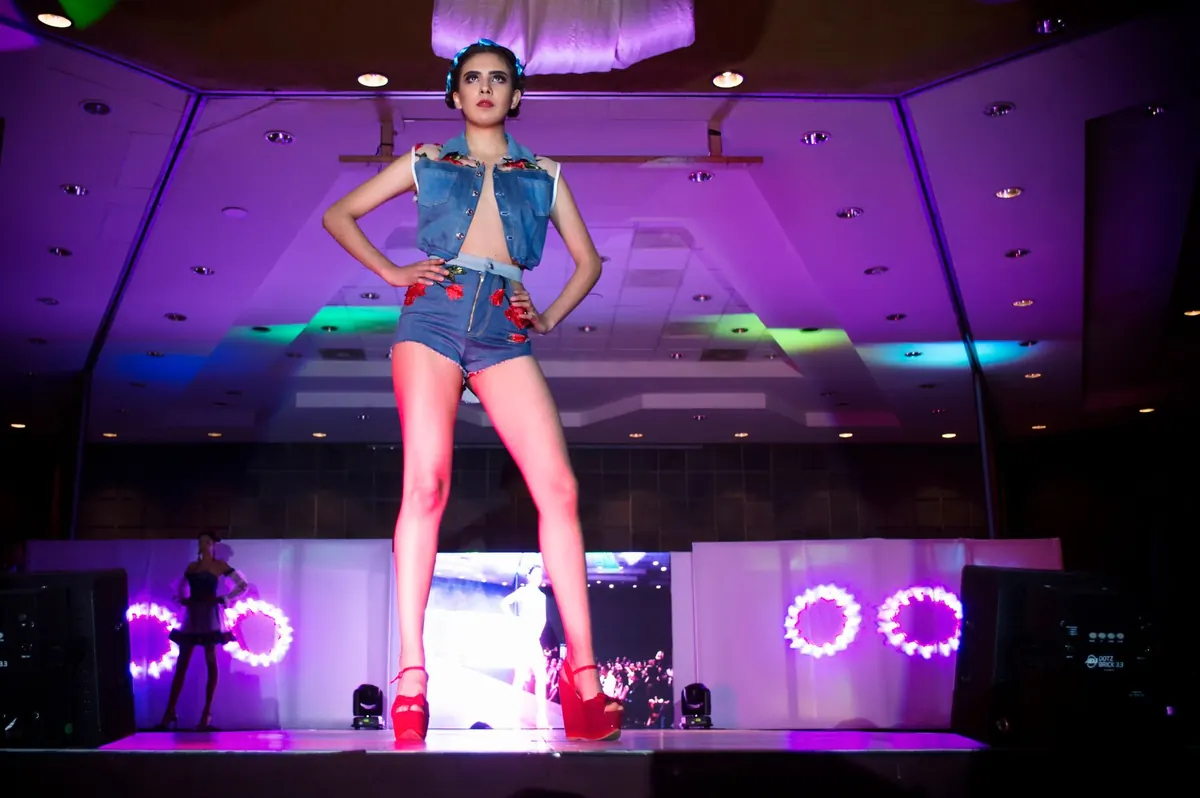
Fashion week is not glamorous. You may stand in heels through hours of casting, change outfits in under a minute, queue in a stairwell, and walk for ninety seconds. Practice your walk on video, learn to hold a pace set by a show's music, and build the physical stamina to do it repeatedly without flagging.
The Commercial Market Works Differently
Commercial modeling covers e-commerce, catalogues, lookbooks, lifestyle and brand campaigns, beauty, fitness, parts work and social content. The casting brief is usually relatability: someone the customer recognises as a version of themselves, or aspires to be without feeling excluded.
Requirements relax here. Height ranges widen considerably, age diversity is genuine rather than a token gesture, and clients actively cast plus-size, petite, mature and fitness-focused models. Expression range is what gets you booked: a warm, direct smile; a laugh mid-conversation; a credible "walking the dog" candid. If you can take direction, change your energy on request and hold a pose that sells a jacket, you have a commercial skill set.
Where commercial jobs live
Retail product photography, grocery and pharmacy campaigns, banking and insurance advertising, travel, food, healthcare, tech, stock imagery, and brand content for social channels. Much of it shoots in mid-size cities, not just fashion capitals, which is why commercial models can build a career without relocating.
Castings: Two Very Different Rooms
- Runway casting: short and physical. You walk, they look at your proportions and gait, you leave. Often no conversation at all.
- Commercial casting: longer and more conversational. Expect to be directed, read a line, smile on cue, or improvise a small moment with another model.
- Runway prep: current digitals, a walk you can adjust, and knowledge of the designer's aesthetic.
- Commercial prep: a versatile book showing distinct expressions, plus the ability to look like you are genuinely enjoying something.
- What gets you cut on runway: fit for sample garments, height, walk, presence.
- What gets you cut commercially: stiffness, a limited expression range, or an energy that reads as unreachable.
Pay Structures Are Not the Same Maths
Runway show fees vary enormously by market and brand, and prestige shows may pay modestly in exchange for visibility that leads to campaign work later. Fashion weeks cluster tightly into a few weeks twice a year, so income arrives in bursts. Many models supplement show seasons with editorial, campaign or commercial bookings.
Commercial work is usually paid as a day rate plus usage. Usage is the fee for how, where and how long the client can use the images, and it can be the larger part of the total. Buyouts, territories and contract length all affect what a job is really worth. E-commerce volume work tends to pay per day or per look, with steady repeat bookings as your reputation grows.
Read every contract carefully, including exclusivity clauses, before signing. Rates, usage terms and tax obligations differ by country and change over time, so get advice from your agent, a contracts lawyer or an accountant rather than relying on what other models tell you they were paid.
Career Trajectories and Longevity
Runway success tends to arrive early and peak quickly for many models. Its real value is credibility: a few strong seasons can open doors to campaigns, editorial, international agency representation and, eventually, roles in creative direction, casting or production. The flip side is unpredictability, travel and constant auditioning.
Commercial careers often start slower and last longer. Repeat clients, regional loyalty and a book that shows range can keep you working through your thirties and beyond, moving into spokesperson work, brand ambassador roles or hosting. The trade-off is less cultural cachet and less of the buzzy editorial attention that runway brings.
Which Path Fits You?
Answer these honestly, and the answer usually becomes obvious:
- Do you meet the height and sample-size expectations of the shows you want? If not, runway may be a closed door rather than a challenge.
- Do you enjoy performing live, or do you come alive in front of a camera with direction?
- Can you handle weeks of travel and high-volume rejection, or do you want predictable work in one city?
- Are you comfortable with a burst income model, or do you need monthly stability?
- What does your agency actually submit you for? Ask directly, and look at the pattern.
Test Both Before You Commit
You do not have to choose on instinct. Book a test shoot in each style: one with clean, minimal styling and a serious walk brief, one with warm, commercial lighting and direction to smile, laugh and interact. Ask your agency to submit you for both types of casting for three months, then keep a simple log of what you booked, what you enjoyed and what paid.
Build your book in two halves, runway and commercial, until the data tells you where you are strongest. Most models end up with a primary market and a secondary one, and that is a healthy place to be. Chase the work that fits your body, your energy and your bank account, and let the other category be an option rather than a verdict.
Photo: Genaro Servín / Pexels